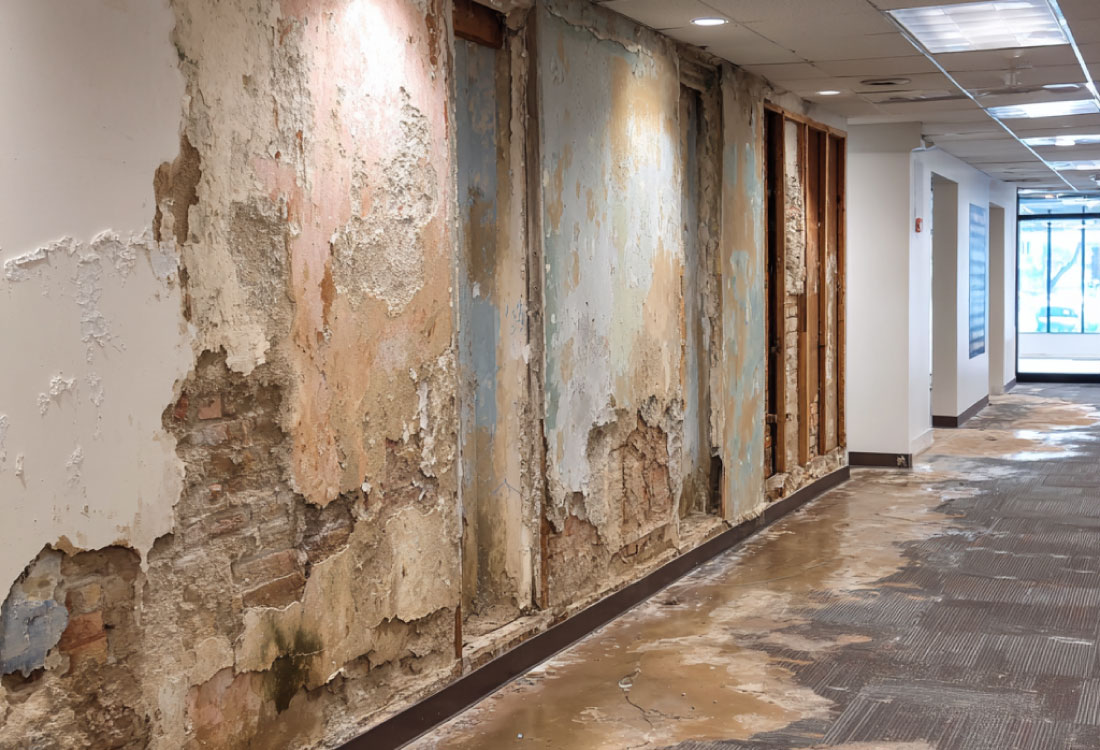
When disaster strikes your home—whether from a hurricane, fire, burst pipe, or other unexpected event—your next steps can make the difference between a smooth recovery and a drawn-out, underpaid insurance claim. Filing a homeowners' insurance claim can feel overwhelming, especially when you’re already dealing with the emotional and financial stress of property damage.
At Allegiant Public Adjusters, we’ve helped homeowners across Florida and Georgia navigate this process and recover what they’re truly owed. This guide offers a comprehensive, step-by-step checklist you can use after property damage to ensure your homeowners' insurance claim is well-documented, properly submitted, and more likely to result in a fair settlement.
Insurance companies require prompt notification of damage, and any delay or misstep could lead to:
Taking the right steps—immediately and in the weeks that follow—is essential. This checklist is designed to guide you from the moment you discover damage through to receiving your final settlement.
Before anything else, prioritize your family’s safety.
If your home is uninhabitable, document that fact and keep all hotel or relocation receipts for potential reimbursement under your policy’s Additional Living Expenses (ALE) coverage.
Before cleaning up or making repairs, take thorough visual documentation:
This evidence is critical for proving the condition of your home before and after the loss, especially if disputes arise.
You’re required by most insurance policies to take reasonable steps to prevent additional damage—this is known as mitigation.
Examples include:
Keep receipts for all mitigation expenses. These costs may be reimbursable under your policy. Avoid starting full-scale repairs until the insurer assesses the damage, unless absolutely necessary.
Find and read your homeowners’ policy or contact your agent to review the following:
If you’re unsure what your policy covers, a public adjuster can help interpret it and ensure your claim aligns with what you’re owed.

Call your insurer’s claims department to report the damage. This is usually required within a certain timeframe—often within 14 days in Florida, for example.
Ask for:
Be cautious about making recorded statements. Stick to the facts and avoid speculating about the cause or cost of the damage.
From this point forward, keep detailed records of everything related to your claim:
This information protects you if there are delays, denials, or inconsistencies later on.
The insurance company will send its own adjuster—but remember, they work for the insurer, not for you.
You have the right to hire a licensed public adjuster who:
Many homeowners receive higher settlements and faster results when working with a public adjuster—especially for major losses.
Unless they pose a health or safety risk, hold onto any damaged items until the adjuster sees them. If you must discard them:
This is particularly important for high-ticket items like electronics, appliances, or custom furnishings.
Insurers may make a fast, low offer in hopes you’ll accept quickly and close the claim. However:
Never feel pressured to settle immediately. If the offer doesn’t seem fair, a public adjuster can conduct a more accurate appraisal.
Once your claim is approved, you’ll begin repairs. Keep detailed records throughout the process:
If unforeseen issues arise during repair (e.g., mold behind drywall or outdated wiring), you may need to file a supplemental claim.
A supplemental claim is a follow-up request if:
Most policies allow supplemental claims, but there are strict deadlines. In Florida, homeowners generally have up to 3 years from the date of loss to reopen or supplement a claim. A public adjuster can help build a strong case with updated documentation.
Even diligent homeowners can make mistakes that hurt their claim. Here are a few to avoid:
Starting repairs without documentation
Throwing away damaged items before photographing
Accepting an early settlement without review
Not keeping receipts or invoices
Waiting too long to file a claim
Misunderstanding policy limits and exclusions
If you're overwhelmed, uncertain, or already dealing with delays or disputes, a public adjuster can:
Allegiant Public Adjusters serves Florida and Georgia homeowners with honest, thorough claims support for everything from hurricanes and fires to mold, floods, and more. We don’t work for insurance companies—we work for you.
Filing a homeowners' insurance claim after property damage isn’t just a task—it’s a process that can deeply affect your finances, stress level, and recovery timeline. By following this checklist, documenting carefully, and knowing your rights, you’ll be in a much stronger position to get the settlement you deserve.
If you’re unsure whether your insurance company is being fair—or you just want someone experienced on your side—consider working with a licensed public adjuster early in the process. It can make all the difference.


